
Replacing an existing roof…
Replacing the roof on your home is never something that anyone really wants to do. However, roof coverings on properties are pretty fundamental to the overall integrity of the building and its contents.
It is important, that when considering replacing an existing roof, you look at using a contractor who has the relevant skill sets to undertake the job properly.
Re roofing your home is never a decision that should be entered into lightly.
We recommend that you obtain the advice and costs from a few experienced contractors before making any decisions at all.
Further, although cost is going to be a consideration, don’t let it be the overriding factor that influences your choice.
This brief overview is designed to offer the reader an insight into what to look for when choosing a contractor to carry out a re roofing project on their home.
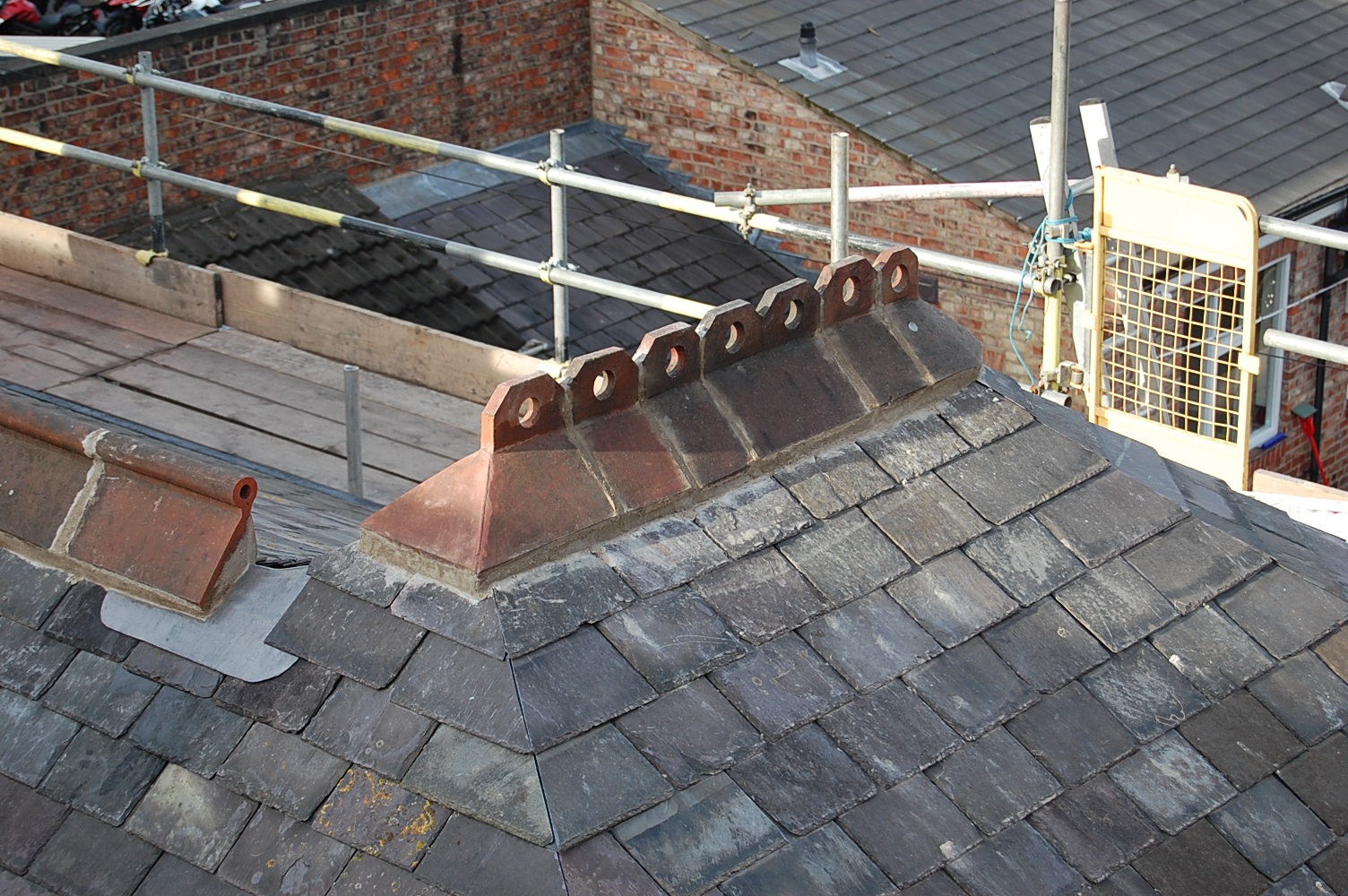
The images contained within this article are for reference and are all from projects undertaken by GNR.
What sort of house do you live in?
The most fundamental of all questions, it is crucial to ensure that the roofing contractor chosen is capable of carrying our the elements of work that might be individual to your property. Most re roofing projects require a contractor to have a few core skill sets to be able to offer a proper solution.
Such skill sets can be described as follows:
Health and Safety Awareness. This is key as all parties involved have a responsibility.
Slating and tiling skills. Most properties have some slates or tiles that form all or part of their roof covering.
Leadwork skills. The ability to effectively install lead as flashings by forming, dressing and often welding such is critical. The flashings on a roof area often fundamental to the success of a re roofing project.
Communication skills. This will be obvious form the outset, the contractor should be able to offer answers to questions and a full written specification and quotation.
What should I expect from a written quotation?
When obtaining quotation to re roof your property a roofing contractor should provide a significant level of detail outlining how the work will be done.
Remember, the quotation received will often form the basis of any contract between yourself and the roofer so it needs to represent the proposed work clearly.
The costs outlined should relate to elements such as Scaffolding, roofing and leadwork, insulation, guttering any anything else that is necessary to achieve successful completion of your roofing project.
Further, any elements of work that cannot reasonably be foreseen should be referred to, the last thing that anyone wants when re roofing a property is hidden or unforeseen extra costs. Rotten timber and possible repairs to chimney stacks or other areas of masonry should be highlighted by your roofing quote.
In conclusion, a written quotation should be clear, concise and provide enough detail to give you confidence that your roofing project will be carried out properly.
Further, the cost, barring unforeseen elements that are referenced, the costs should be fixed. The payment terms set out by the roofing contractor should be depicted by the quotation.
What about when work on my roof starts?
When considering work on your roof ensure that your contractual position with the appointed contractor is clear.
The roofing contractor should have requested written confirmation of your intention to proceed before providing you with a date.
All re roofing projects should be undertaken in accordance with the Health and Safety at work Act.
Further, you should clearly understand your responsibilities as a client, as set out by CDM regulations 2015.
Dates and a schedule of work should be provided in advance.
As a client, you should have been made aware that building regulations approval is a legal requirement when re roofing your home.. Building regulations can either be applied for through your local authority or your contractor may choose to provide them via a Competent Persons Scheme such as Competent Roofer.
What should I look for when my roof is finished?
Any roofing contractor should provide their client with regular progress updates. Upon completion, you should expect to be notified that the scaffolding will be removed. Your contractor should carry out a final inspection of the work and the working area.

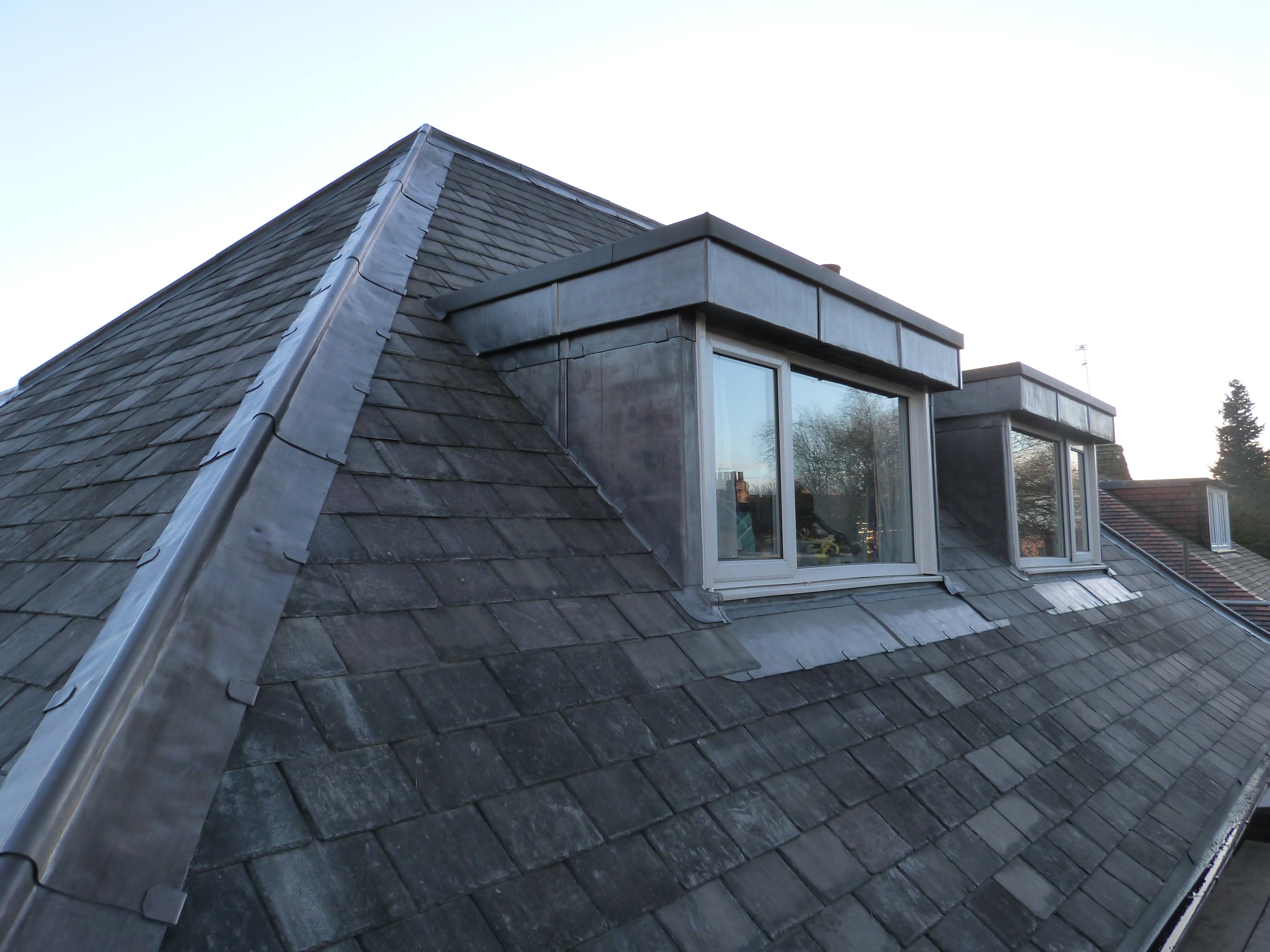
Your roofing contractor should obtain images of the finished project for their records.
It is important to check all gutters and fall pipes to ensure they are clear before removing any scaffolding.
Thereafter, you should expect the following information:
Invoice, payable in accordance with the terms set out by the quotation.
Building regulations completion certificate.
Guarantee for the work, usually 10 years for most domestic re roofing projects.
Any other guarantees for flat roof coverings or associated products used.
Ultimately, you should be happy with the appearance of your roof and associate workmanship.
Remember, there are very clear standards for roofing work, it is important to be sure they have been met.
The standards that your new roof should adhere to are as follows:
BS 5534 covers slating and tiling work.
BS EN 12588 covers work associated with lead such as flashings, lead roof coverings etc.